 Quiet SignalStart the scan
The atlas
Every system, and what it tends to hold.
36 organ systems, each carrying its own conflict themes. The scan doesn't tell you what happened — it shows you where the themes gather.
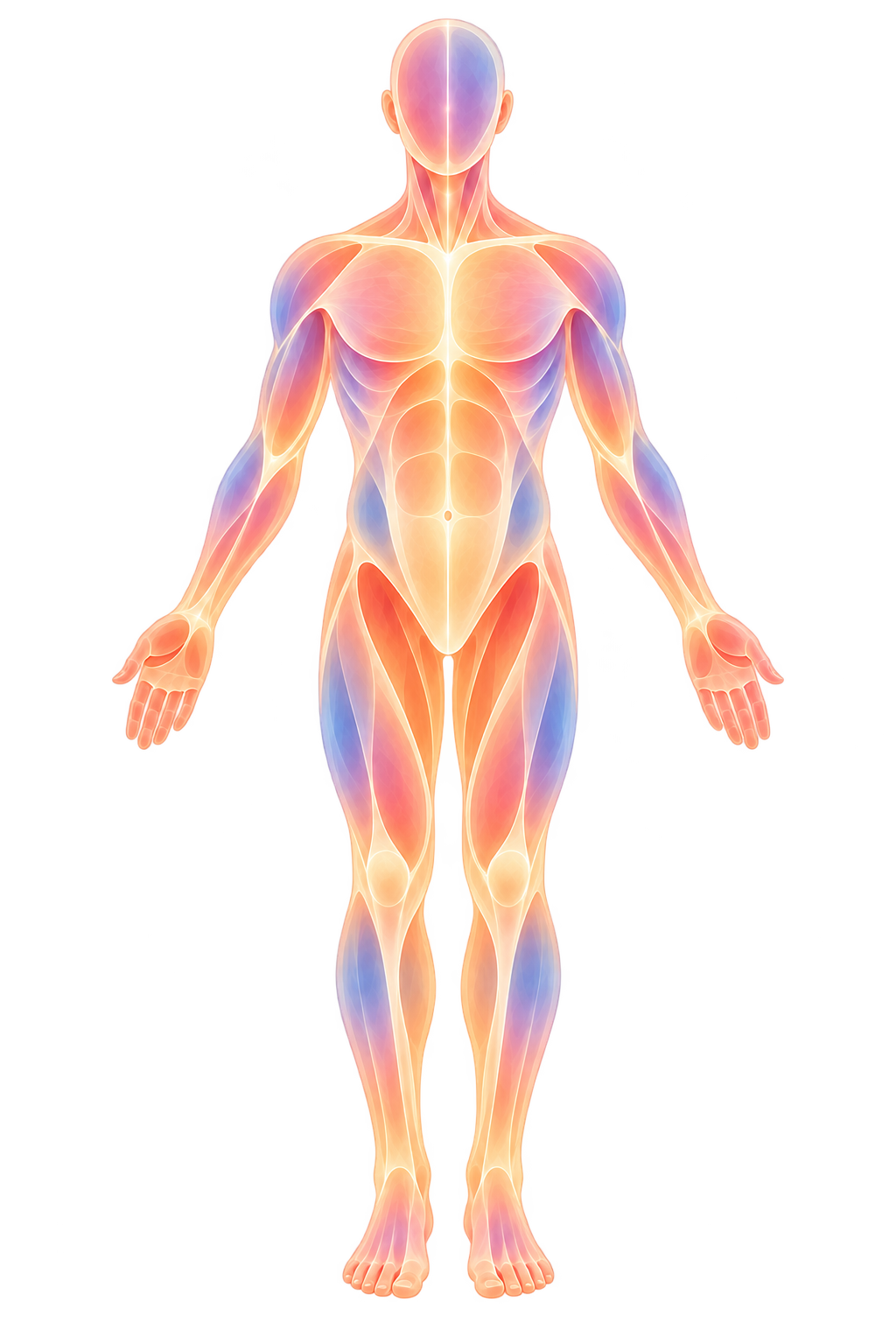
Interactive body map
Choose a number to see that system's location and full explanation.
Kidneys
Lower back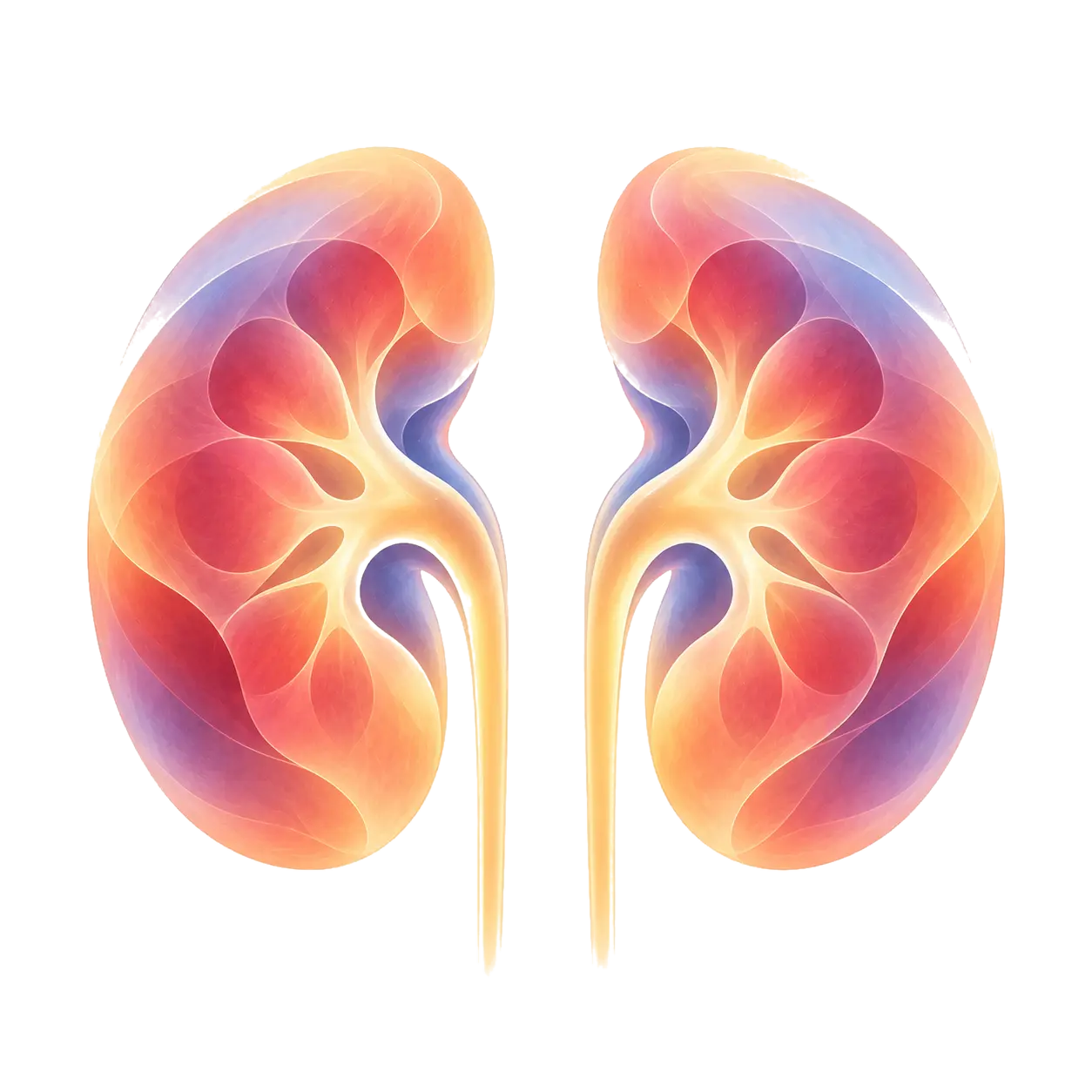
Emotional conflict: A story of survival, scarcity, or losing your place among the people you depend on.
Possible physical experience: Some people notice bracing, heaviness, or sensitivity around the lower back during stressful periods.
Choose a number to locate that system on the figure.
1Kidneys
Lower backEmotional conflict: A story of survival, scarcity, or losing your place among the people you depend on.
Possible physical experience: Some people notice bracing, heaviness, or sensitivity around the lower back during stressful periods.
2Bladder
PelvisEmotional conflict: A story of boundaries being crossed, territory feeling unsafe, or holding something you want to release.
Possible physical experience: This may be explored alongside sensations of urgency, pressure, or tension through the pelvis.
3Thyroid
ThroatEmotional conflict: A story of racing against time while feeling unable to slow down safely.
Possible physical experience: Some people notice tightness, fullness, or heightened awareness around the front of the throat.
4Liver
Right upper abdomenEmotional conflict: A story of deprivation, unfairness, or anger held back while defending what matters to you.
Possible physical experience: This may be experienced as tension, heaviness, or guardedness through the right upper abdomen.
5Gall bladder
Right upper abdomenEmotional conflict: A story of repeated resentment or anger that never found a safe expression.
Possible physical experience: Some people notice gripping, tightness, or sensitivity beneath the right ribs when under strain.
6Adrenals
Above the kidneysEmotional conflict: A story of prolonged pressure, no clear escape, or discovering that your path no longer feels right.
Possible physical experience: This can be reflected in feeling wired, depleted, restless, or unable to fully settle.
7Thymus
Upper chestEmotional conflict: A story of creative expression being interrupted, rejected, or made unsafe within your group.
Possible physical experience: Some people notice a guarded chest, shallow breathing, or tenderness around the upper breastbone.
8Larynx
ThroatEmotional conflict: A story of fear silencing the shout, refusal, or truth you needed to voice.
Possible physical experience: This may feel like throat tightness, a caught voice, or the urge to clear the throat under stress.
9Autonomic nervous system
Whole bodyEmotional conflict: A story of overwhelm, separation, or giving up because continuing felt impossible.
Possible physical experience: Some people notice alertness, numbness, trembling, restlessness, or difficulty settling after stress.
10Heart
ChestEmotional conflict: A story of lost rhythm, diminished worth, overwhelm, or hurt involving someone deeply loved.
Possible physical experience: This may be felt as chest tension, a racing awareness, fluttering sensations, or a need to guard the heart area.
11Small intestine
BellyEmotional conflict: A story of an experience that felt impossible to break down, sort through, or make sense of.
Possible physical experience: Some people notice churning, tightness, sensitivity, or unease through the central belly.
12Arteries & veins
Whole bodyEmotional conflict: A story of pressure between protecting your place and maintaining closeness with others.
Possible physical experience: This may be explored alongside feelings of pressure, pulsing awareness, heaviness, or restlessness in the limbs.
13Blood
Whole bodyEmotional conflict: A story of ongoing performance doubt or feeling chained to a burden you cannot put down.
Possible physical experience: Some people describe generalized heaviness, low energy, agitation, or feeling drained during prolonged stress.
14Spine
BackEmotional conflict: A story of humiliation, losing your rightful place, or carrying responsibility without support.
Possible physical experience: This may feel like bracing, stiffness, fatigue, or guarded movement through the back.
15Spleen
Left ribsEmotional conflict: A story of alarm around blood, injury, or something that made the body feel vulnerable.
Possible physical experience: Some people notice protective tension or sensitivity around the left ribs after frightening experiences.
16Pancreas
Upper abdomenEmotional conflict: A story of disgust, resistance, or an experience you still cannot emotionally digest.
Possible physical experience: This may be explored alongside upper-abdominal tightness, churning, or changes in appetite during stress.
17Stomach
Upper abdomenEmotional conflict: A story of having to take in words, treatment, or circumstances that felt unacceptable.
Possible physical experience: Some people notice knots, queasiness, heaviness, or appetite changes when the story is activated.
18Oesophagus
Throat to chestEmotional conflict: A story of something you could not swallow, reject, or bring back up to be spoken.
Possible physical experience: This may feel like a lump, tightness, or heightened awareness along the throat and chest.
19Mouth, jaw & teeth
FaceEmotional conflict: A story of biting back words, swallowing an insult, or being unable to defend yourself.
Possible physical experience: Some people notice jaw clenching, facial tension, tooth pressure, or a guarded mouth.
20Lungs
ChestEmotional conflict: A story of sudden fright, threatened life, suffocation, or fear for someone close to you.
Possible physical experience: This may be experienced as shallow breathing, chest bracing, sighing, or difficulty finding an easy breath.
21Colon
Lower bellyEmotional conflict: A story of anger or an unwanted situation that felt impossible to release or leave behind.
Possible physical experience: Some people notice lower-belly tension, holding, urgency, or changes in digestive comfort during stress.
22Appendix
Lower right bellyEmotional conflict: A story of something deeply unpleasant arriving while your emotional or practical reserves were low.
Possible physical experience: This may be explored alongside guardedness or sensitivity in the lower right abdomen.
23Neck
NeckEmotional conflict: A story of sensing threat, being unable to turn away, or losing command of your direction.
Possible physical experience: Some people notice stiffness, restricted turning, raised shoulders, or tension at the base of the skull.
24Eyes
FaceEmotional conflict: A story of seeing something difficult, fearing being seen, or losing visual contact with someone.
Possible physical experience: This may show up as squinting, eye-area tension, visual fatigue, or an urge to look away.
25Ears
HeadEmotional conflict: A story of hearing something distressing, waiting for words that never came, or feeling unsteady.
Possible physical experience: Some people notice sound sensitivity, pressure, ringing awareness, or a sense of disequilibrium under stress.
26Nose & sinuses
FaceEmotional conflict: A story of sensing that a person or situation was wrong, unsafe, or impossible to tolerate nearby.
Possible physical experience: This may be explored alongside facial pressure, nasal awareness, tension, or sensitivity to scent.
27Sexual & reproductive organs
PelvisEmotional conflict: A story involving intimacy, creation, relationship territory, fertility, or profound family loss.
Possible physical experience: Some people notice pelvic holding, heaviness, sensitivity, or disconnection from the lower body.
28Breast
ChestEmotional conflict: A story of worry for the nest: a child, partner, parent, home, or bond you wanted to protect.
Possible physical experience: This may be accompanied by chest guarding, tenderness, or heightened awareness around the breast area.
29Bones & joints
SkeletonEmotional conflict: A story of shame, guilt, or a deep blow to your sense of worth and capability.
Possible physical experience: Some people notice rigidity, guarded joints, heaviness, or an urge to make the body smaller.
30Muscles
Whole bodyEmotional conflict: A story of an action you could not complete: fleeing, pushing away, holding on, or moving forward.
Possible physical experience: This may feel like tightness, fatigue, trembling, soreness, or readiness for movement that never came.
31Skin
SurfaceEmotional conflict: A story of lost contact, unwanted contact, attack, or feeling marked or soiled.
Possible physical experience: Some people notice surface sensitivity, itching awareness, flushing, or a strong wish for distance or touch.
32Connective tissue & fat
Whole bodyEmotional conflict: A story of appearance-based self-criticism or feeling that the body's shape is unacceptable.
Possible physical experience: This may be experienced as body-wide self-consciousness, protective holding, or sensitivity in the judged area.
33Lymphatic system
Whole bodyEmotional conflict: A story of injury or feeling not good enough in a particular role, relationship, or body region.
Possible physical experience: Some people notice localized heaviness, tenderness, or heightened awareness during periods of strain.
34Thalamus & hypothalamus
Deep brainEmotional conflict: A story of complete self-abandonment: no longer advocating for your own needs or safety.
Possible physical experience: This may be reflected in overwhelm, shutdown, disrupted rest, or difficulty sensing what the body needs.
35Pituitary gland
Base of brainEmotional conflict: A story of feeling too small, under-resourced, or unable to meet what life is asking of you.
Possible physical experience: Some people notice head pressure, fatigue, mental strain, or a persistent sense of overload.
36Pineal gland
Centre of brainEmotional conflict: A story of prolonged darkness, disrupted time, or losing your connection to natural rhythm and light.
Possible physical experience: This may be explored alongside unsettled sleep, fatigue, time confusion, or difficulty winding down.
These are reflective associations, not medical findings or claims of cause. Physical sensations can have many causes; discuss persistent, severe, or concerning symptoms with a qualified healthcare professional.